计锴 ☕️
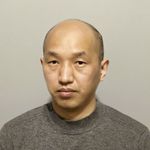
计锴 Ji Kai 

Traditional Chinese Internal Martial Arts

About Me

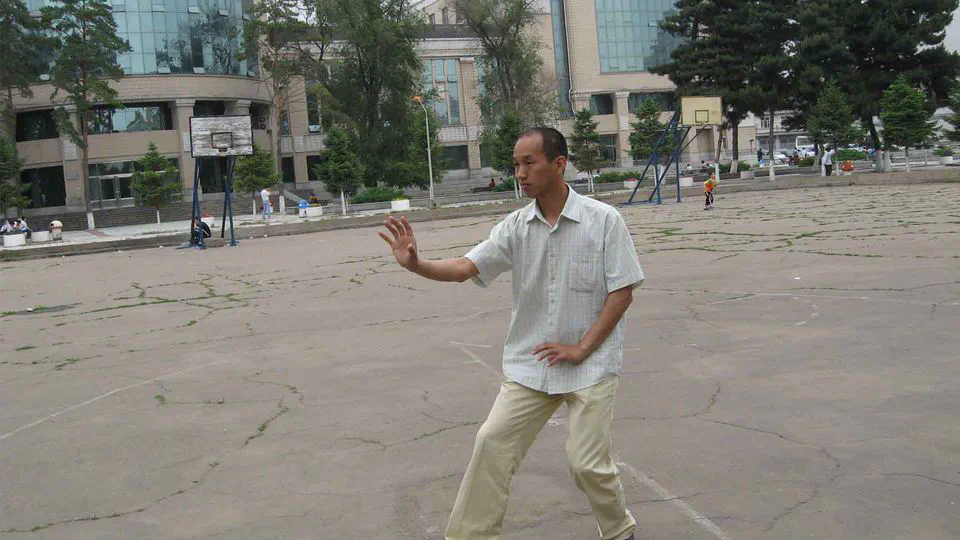
  I systematically learned the traditional Sun-style Internal martial arts from Master Huang Renjun(黄人骏) since2007, and I formally became his “disciple”(入室弟子) in 2016. For more than ten years, I have been deeply engaged in the practice and transmission of the skills of this school.

Interests
  • Sun-style Internal Martial Arts(孙禄堂传内家武术)
  • Record of Transmission and Practice(传习录)
  • The Diamond Sutra(金刚经)
  • The Platform Sutra(坛经)
Education
  • Sun-style Tai Chi Chuan (孙氏太极拳, Chinese Shadow Boxing)

    Shumin Martial Arts Training Center(恕民武术馆)

  • Sun-style Bagua Chuan (孙氏八卦拳, Chinese Eight-diagram Boxing)

    Shumin Martial Arts Training Center(恕民武术馆)

  • Sun-style Hsing-I Chuan (孙氏形意拳, ChineseMind-Body Boxing)

    Shumin Martial Arts Training Center(恕民武术馆)

📚 My wish

  As a practitioner of traditional Internal style martial arts, the key to truly mastering such art is whether the person has a solid foundation and a deep understanding of the martial arts. The ability to pass on the art requires a deep love and sense of responsibility for traditional Internal style martial arts. I would like to pass on what I have learned to as many people as possible who are enthusiastic about traditional Chinese Internal style martial arts and or who need to use them for physical exercise.

Please contact me for training 😃

Click to contact me

Introduction of the Succession of Teachings from Master to Disciple The Succession

Master-disciple inheritance diagram

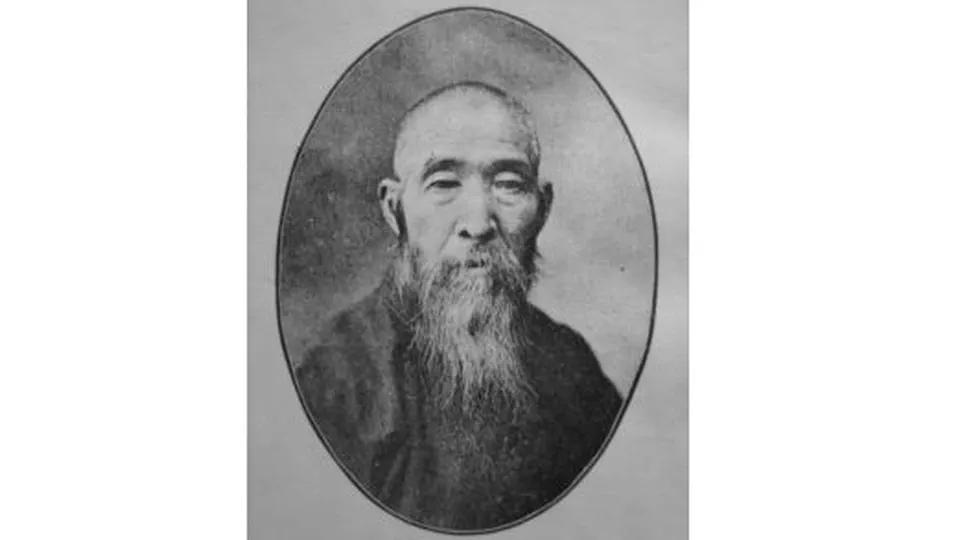
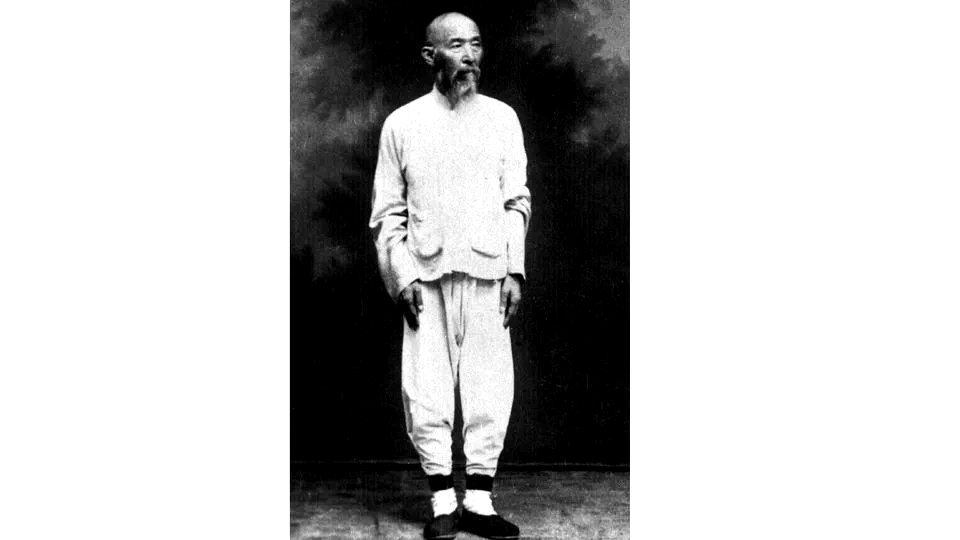
Founder Sun Lutang 孙禄堂 (1860 - 1933) During the Republic of China, he was a great master of the Internal style martial arts, and he created the unique “Sun-style Tai Chi”which is well known for its smooth, flowing movements by integrating Hsing-I Chuan (Chinese Mind-Body Boxing), Bagua Chuan (Chinese Eight-diagram Boxing) and Tai Chi Chuan (Chinese Shadow Boxing). The Sun-style Tai Chi, along with other four styles of Tai Chi including Chen’s (陈氏), Yang’s(杨氏), Wu’s(吴氏) and Wu’s(武氏), are the five major schools of traditional Chinese Tai Chi. To prevent traditional Chinese martial arts from being lost and disappeared, in 1915, he began to write five books on martial arts, namely Arts of Hsing-I Chuan, Arts of Bagua Chuan, Arts of Tai Chi Chuan, The Truth of Boxing’s Meaning, and Arts of Bagua Sword; his daughter, Sun Jianyun, compiled these five books into Records of Sun Lutang’s Martial Arts Learning for public distribution; the five books are talking about the methods of practice, methods of martial art, techniques, and theories of boxing, which comprehensively reflect the principles and essence of Internal style Chuan (internal boxing). The Records of Sun Lutang’s Martial Arts Learning is still one of the most valuable materials for the study of Internal Chuan. 民国期间的内家武术宗师,其融合形意拳、八卦掌、太极拳创立别具一格的“活步开合太极拳”简称“孙氏太极拳”;孙氏太极拳与陈氏、杨氏、吴氏、武氏太极拳是中国传统太极拳的五大主要流派。为避免中华传统武术失传湮没,于1915年开始亲自撰写《形意拳学》、《八卦拳学》、《太极拳学》、《拳意述真》、《八卦剑学》五部拳学著作;其女孙剑云将此五部拳学著作汇编集成《孙禄堂武学录》公开发行;此五部著作讲练法、武法、谈技艺、论拳理,其全面的体现出内家拳学的原理与精髓。《孙禄堂武学录》至今仍是研究内家拳学的最珍贵的材料之一。 Sun Lutang Chinese Baidu Encyclopedia entry:

The importance of master-disciple inheritance in traditional martial arts

 With the promotion of Dan-ranking system of Chinese martial arts by the Chinese government, the traditional Chinese martial arts (wushu) have gradually shifted from practical combat of attack-and-defense to routine performance; and the movements have also become more about aesthetics and difficulty, which have made them into forms of art, dance and gymnastics. Although such development has contributed to the popularization of Chinese martial arts, it has led to the deviation of its connotation and directly affected the practicality and the nature of fitness. However, this examination- and competition-oriented evaluation system is not totally applicable for traditional Internal martial arts, which not only focus on master-disciple inheritance and transmission but also emphasizes both practical combat of attack-and-defense and fitness regimen. The essence of traditional Internal martial arts lies in the teaching by percept and example between masters and disciples, which means that the master should not only pass on his or her skills, but also the virtues of martial arts. It is only through years of instruction with earnest efforts and rigorous assessment that a master can make sure that the disciple has the ability to pass on his or her martial arts skills. Only the person who has truly mastered the art and possesses the spirit of inheritance and transmission is qualified to become the master’s “disciple” and join the master’s skill inheritance system. Therefore, for practitioners of traditional martial arts, one of the important elements in measuring their true mastery of the art are whether or not they have been passed on by their masters in person and the qualification of becoming the “disciples”. 随着中国政府武术段位制的推广,将传统武术的逐渐从实战技击转向套路表演;动作也变得更加注重美观和难度,逐渐呈现出艺术化、舞蹈化和体操化的特点。虽然在普及武术方面做出了贡献,却导致其内涵发生偏离并直接影响到实用性、健身性。这种以考试、比赛为导向的评价体系,并不完全适用于注重师徒传承、强调实战技击与养生并重的传统内家武术。 传统内家武术的精髓在于师徒间的言传身教,师父不仅传授技艺,更传承武德。通过多年的悉心教导和严格考核,师父才能确定弟子是否具备传承其武艺的能力。只有真正掌握技艺并具备传承精神的弟子,才有资格成为师父的“入室弟子”,加入到师门的传承体系中。 因此,对于传统武术习练者来说,能否得到名师的亲传,是否成为“入室弟子”,才是衡量其是否真正掌握本门派技艺的重要标志之一。

My Master Huang Renjun

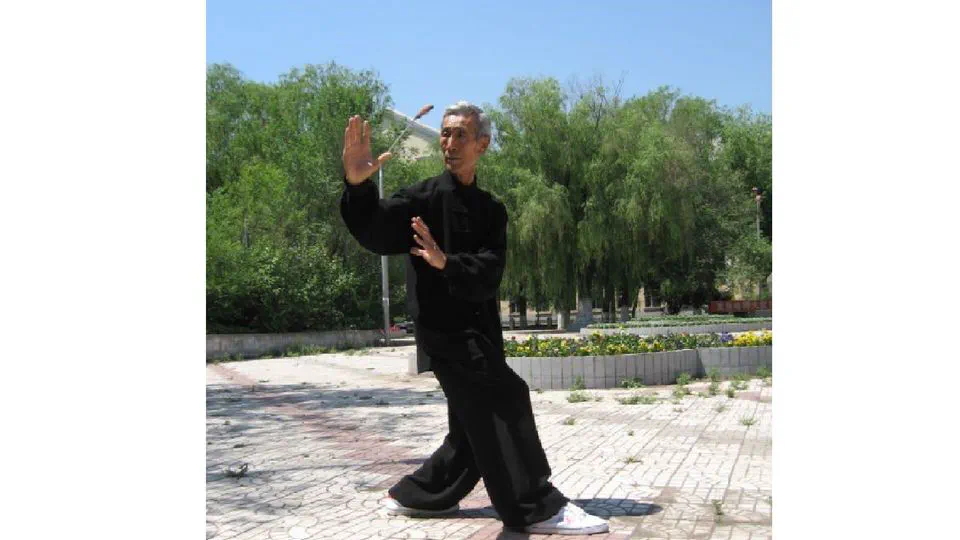
Huang Renjun(黄人骏) “In ancient times, those who studied inevitably had teachers. A teacher’s purpose was to impart knowledge, instruct in skills, and resolve doubts.” In traditional Chinese culture, the teacher-student relationship is an important guarantee for the inheritance and development of traditional culture. Traditional martial arts is a skill that requires very strict physical and mental training. Its teaching process mainly adopts the teaching method of “instruction by precept and example”; its inheritance process is mainly completed by apprenticeship, so apprenticeship is the top priority for learning traditional martial arts; in 2016, I was fortunate to be a disciple of Mr. Huang Renjun. Let me briefly introduce my teacher: Teacher Huang Renjun(黄人骏) was born in 1941. His father, Huang Shumin(黄恕民), was one of the famous disciples of Li Yulin(李玉琳). Influenced by his father, he loved traditional martial arts since childhood. At the age of nine, he was led by his father to learn martial arts and boxing under the guidance of Mr. Li Tianchi(李天池) and Mr. Li Tianji(李天骥), who were the sons of Mr. Li Yulin(李玉琳). Under the earnest teachings and strict requirements of his two mentors and his father, he successively learned traditional routines and weapons such as Shaolin Chuan, Hsing-I Chuan, Sun-Style Bagua Chuan, Tai Chi Chuan, and Wudang sword. In 1996, he was elected as a member of the first committee of the Heilongjiang Tai Chi Association. In 1997, he was included in the first volume of the Chinese Folk Martial Arts Masters Dictionary. In June 2009, he was awarded the honorary title of “Old Martial Artist” by the Harbin Sports Federation and Harbin Wushu Sports Association. In May 2012, he was appointed as the Honorary President of Harbin Sun Style Tai Chi Research Association. In June 2012, he was awarded the honorary title of “Harbin Tai Chi Master” by the Harbin Sports Federation and Harbin Tai Chi Association. In June 2013, he was awarded the honorary title of “Heilongjiang Tai Chi Master” by the Heilongjiang Sports Federation and Heilongjiang Tai Chi Association. He is currently the director and head coach of Harbin Shumin Martial Arts Hall. “There is a sequence in learning, and there is a specialization in skills.” Mr. Huang Renjun(黄人骏) combines the three major internal martial arts, Hsing-I Chuan, Bagua Chuan, and Tai Chi Chuan, and for decades, with unwavering dedication, he has devoted himself to the study and transmission of traditional martial arts. He has grasps the profound principles of internal martial arts and trained hundreds of disciples (including more than a dozen “disciples”), making great contributions to the promotion of traditional martial arts. “古之学者必有师。师者,所以传道授业解惑也。”在中国传统文化中,师承是传统文化得以继承和发扬光大的重要保障。传统武术的是一门对身心锻炼要求非常严格的技艺,其教授过程主要采用“言传身教”的教学方式;其传承过程主要是通过拜师方式完成本门技艺的传承,因此拜师是学习传统武术的头等大事;2016年本人有幸拜于黄人骏老师门下,下面由我简单介绍一下我的老师: 黄人骏老师生于1941年。其父黄恕民为李玉琳的著名弟子之一;受其父熏陶,自幼喜爱传统武术。九岁由其父引领拜在李天池、李天骥两位先生门下习武、练拳,李天池、李天骥为李玉琳先生之子。在两位恩师及其父之谆谆教导与严格要求下,其先后习少林拳、形意拳、孙氏八卦掌、太极拳、武当剑等传统套路及器械。 1996年,其被黑龙江省太极拳协会选为第一届委员会委员。1997年被录入《中国民间武术家名典》上卷。2009年6月,被哈尔滨市体育总会、哈尔滨市武术运动协会授予“老武术家”荣誉称号;2012年5月,任哈尔滨市孙式太极拳研究会名誉会长;2012年6月,被哈尔滨市体育总会、哈尔滨市太极拳协会授予“哈尔滨市太极拳名家”荣誉称号;2013年6月被黑龙江省体育总会、黑龙江省太极拳协会授予“黑龙江省太极拳名家”荣誉称号;现为哈尔滨恕民武术馆馆长兼总教练。 “闻道有先后,术业有专攻”,黄人骏老师集形意拳、八卦拳、太极拳三大内家拳于一身,几十年如一日潜心于传统武术研习与传承。深得内家武术之精髓培养数百弟子(其中入室弟子十几人),为弘扬传统武术做出了巨大的贡献。

Learn traditional martial arts
Recent News